Last modified: 4 de August, 2021
4 de August, 2021
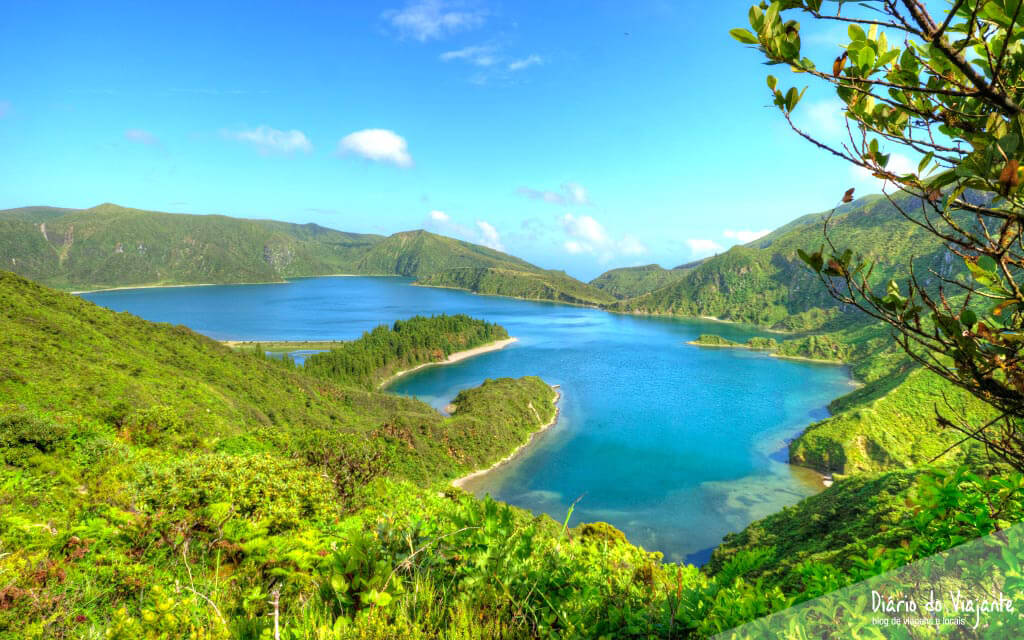
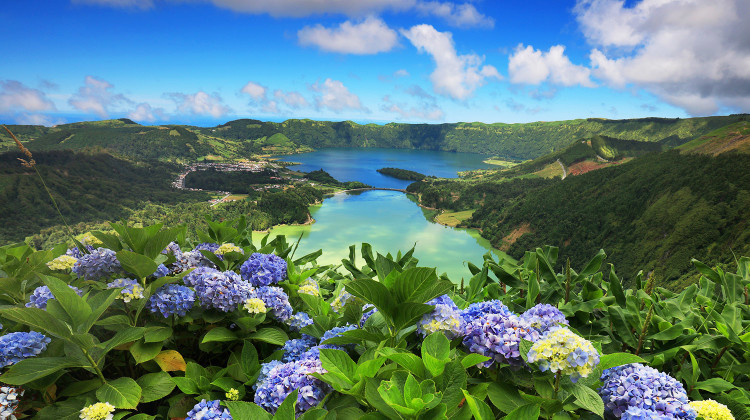
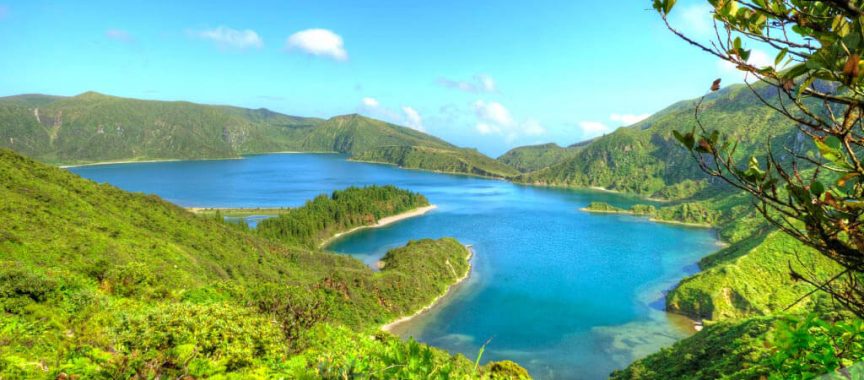
São Miguel is the largest island of the Azores archipelago, occupying about 745km2. Its east-west aspect is due to the succession, in space and time, of several volcanic complexes: the Nordeste volcanic complex, the oldest and where the highest point of the island is located, Pico da Vara; the Povoação complex; the Sete Cidades complex; the Fogo complex; and the Furnas complex; these last three having been formed from stratovolcanics that appeared later.
The volcanic origin of this island is perceptible in the typology of its rocks and terrain that emerged from the undulating layers of lava and also by its vegetation that bloomed from the type of spongy lavas, where mosses and herbs proliferate.
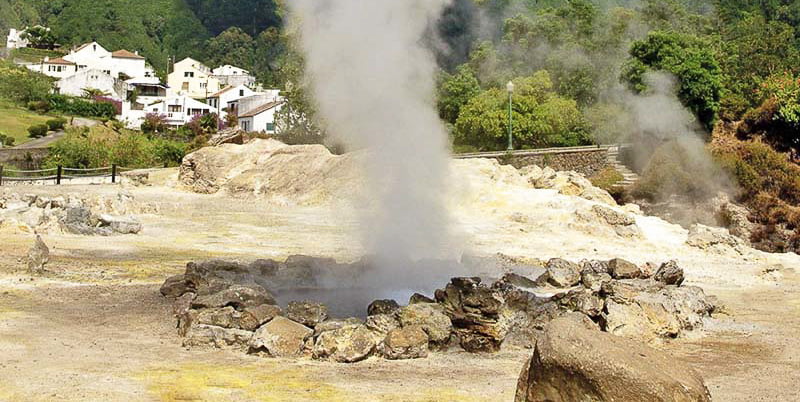
Another characteristic feature of São Miguel and not found on any other island in the Azores are the permanent fumaroles in Vale das Furnas and Ribeira Grande that keep volcanism active on this island.
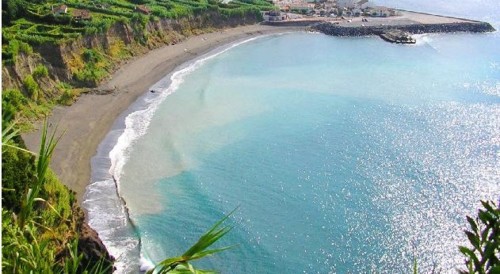
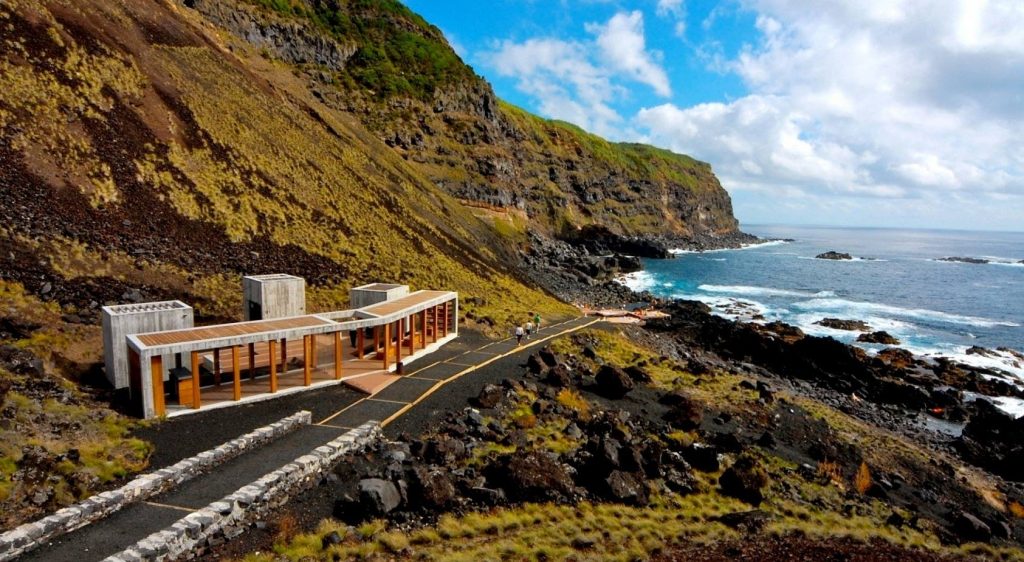
The beautiful black sand beaches are another characteristic element of the volcanic origin of São Miguel island, highlighting the Ribeira Quente beach, which is different from the others because of its water temperature, due to the existence of underwater hydrothermal springs that make the sea water warmer. The same happens at the western end of the island, in the Ferraria area, where it is possible to swim in the sea in hot water of volcanic origin.
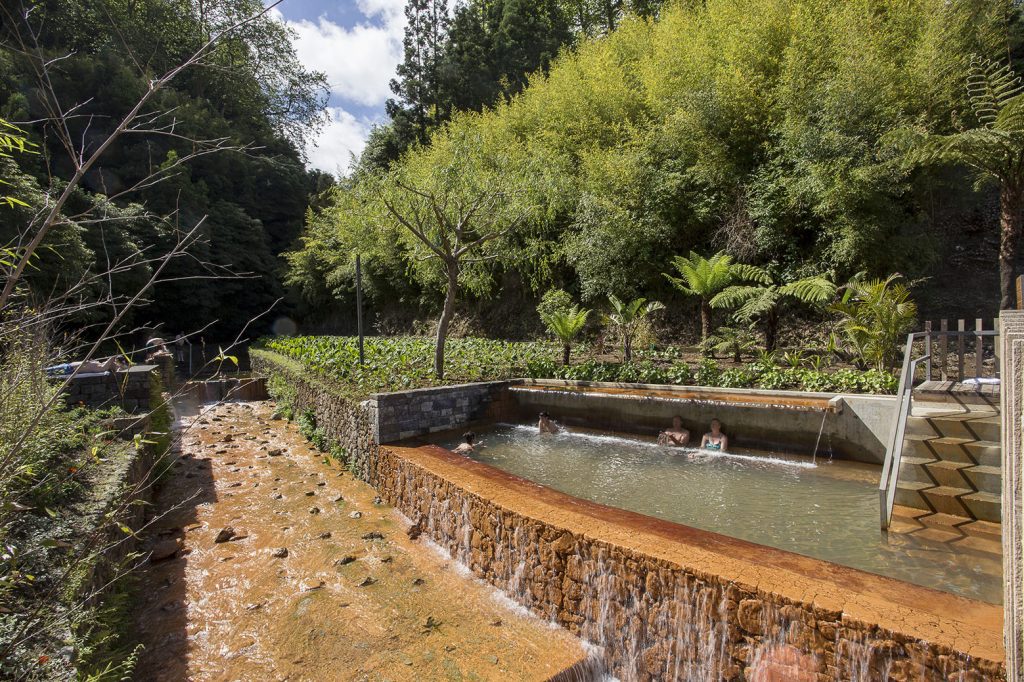
In Furnas, besides the famous fumaroles, there are also thermal waters, which are beneficial for medicinal purposes.
Last modified: 4 de August, 2021

Subscribe to our newsletter and stay up to date with all our news.