Last modified: 20 de April, 2022
20 de April, 2022
The island of Pico, as its name indicates is distinguished by its Pico mountain, a stratovolcano of basaltic nature, the highest in the archipelago and in the country, with 2351 metres of altitude. It is also known as the grey island due to the lava fields (lajidos) scattered around the island and the basaltic stone walls and paths that divide the land and vineyards, thus giving a greyish colour to the picoense landscape.
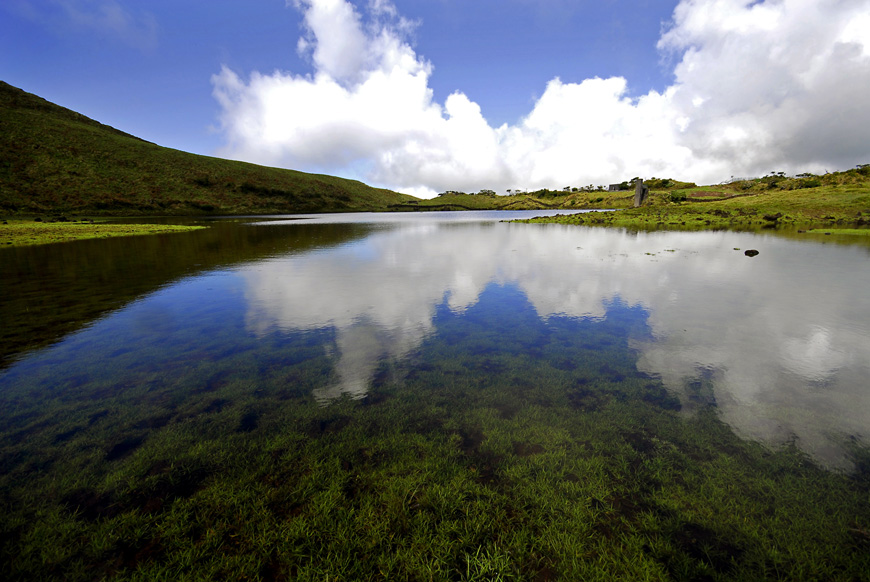
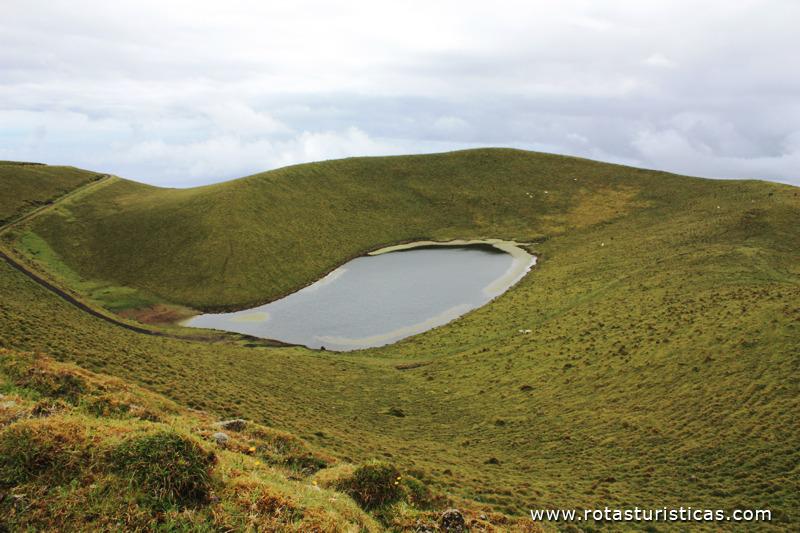
In geological terms, the island of Pico has the third largest volcano in the Atlantic Ocean, which is a great tourist attraction, whose main crater takes on a particular characteristic through a lava cone called Piquinho, where it is possible to have a panoramic view of the neighbouring islands to Pico. This island was formed from its majestic mountain, over which a volcanic mountain range descends and which ended up forming the remaining part of the island. An example of this is the Achada Plateau, which covers a large area of the island, from Lagoa do Capitão to Ponta da Ilha. However, there are many lagoons and places on this island that derived from the immense volcanic cones scattered around it, the highlights being Lagoa Negra, Lagoa do Paul, Lagoa do Rosada, Gruta das Torres.
Just like the island of São Jorge, Pico has no beaches, due to its geological formation, presenting, on the contrary, beautiful bays and inlets, many resulting in very attractive bathing areas.
Among all the natural beauties of this island, there are many forest reserves distributed around the island that keep a whole set of endemic vegetation species that provide good moments of leisure and peace with nature. The green pastures and vineyards give a unique and beautiful aspect to the island’s landscape.
Last modified: 20 de April, 2022

Subscribe to our newsletter and stay up to date with all our news.