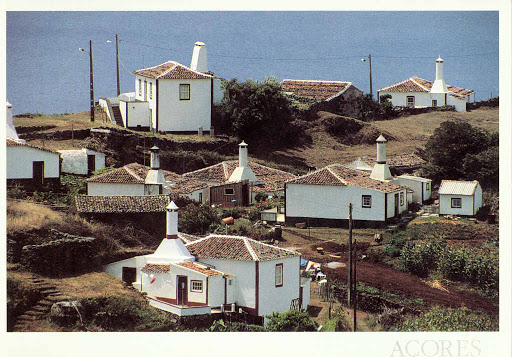
The island of Santa Maria has a rich built heritage that ranges from public and private to religious, civil and military heritage, which have a great historical and cultural value, contributing in some way to the identity of the people of Santa Maria.
Santa Maria has a special particularity that the other islands do not have, which is associated to the fact that this island does not suffer earthquakes so often, nor is subject to volcanic eruptions, which was an asset to its heritage, thus allowing its conservation and durability, since much of this heritage was not at risk of being destroyed by these natural disasters.
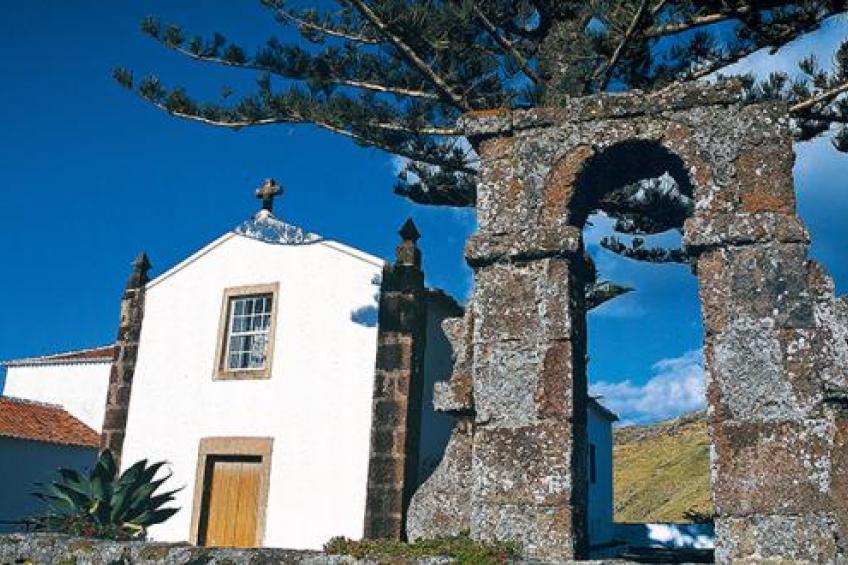
Thus, we can find in Santa Maria many examples of architecture and other buildings that constitute the heritage of Santa Maria, highlighting among them, religious and military architecture. Regarding the former, a good representative example of this type of heritage is precisely the Mother Church of Nossa Senhora da Assunção, which, despite having been rebuilt, was the first church to be built in the Azores. Another patrimonial element existing in this island is the Chapel of Nossa Senhora dos Anjos, in the parish of Anjos, which tells a story related to the settlement of the island: it was in this chapel that a mass was recited as a promise by Christopher Columbus, a navigator in the service of Castile, and was attended by him, as thanksgiving to God for his arrival on land after a storm that had put his navigation in danger. It is also in this parish that a statue was built in honour of this navigator.
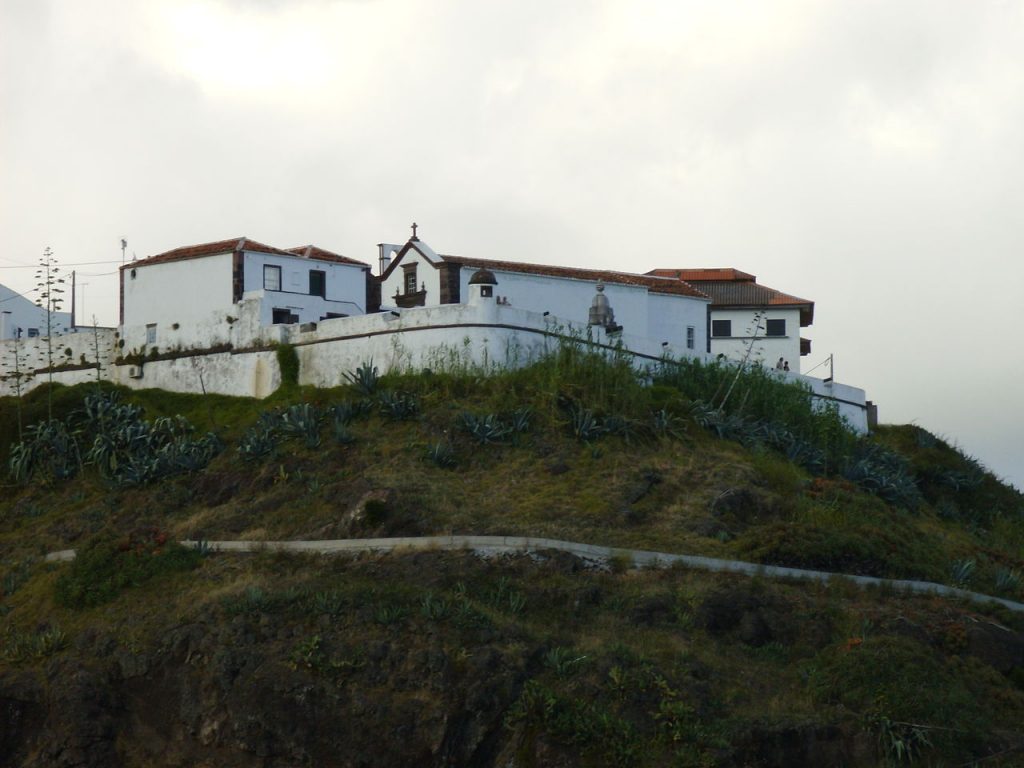
In terms of military heritage, we have the case of the São Brás Fort, which dates back to the times when the island was attacked by pirates and corsairs.
In general, the Mariense heritage owes much to its architecture, which still retains some traces of the early days of its settlement, such as the ogival doors and windows with Manueline characteristics, as can be seen in some houses
Last modified: 16 de July, 2021