The island of São Miguel has a rich built heritage that varies from public and private heritage to religious, civil, and military heritage, which have great historical and cultural value that already descends from the beginning of the settlement, contributing in a certain way to the identity of the people of São Miguel.
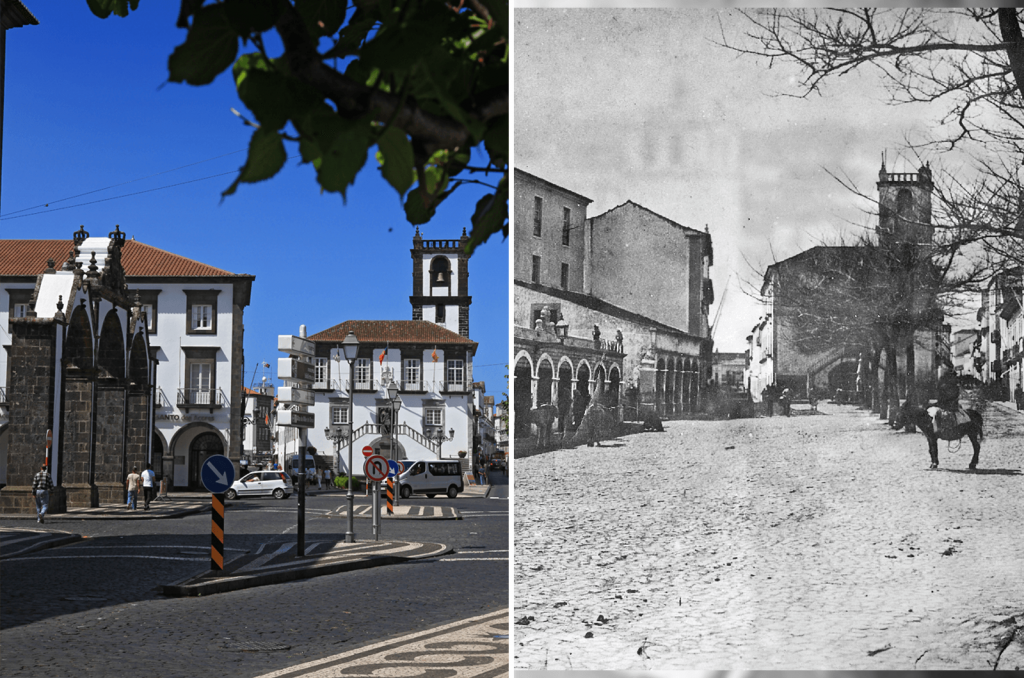
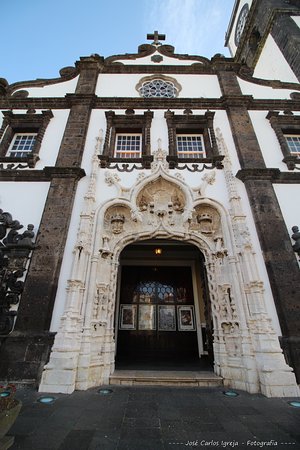
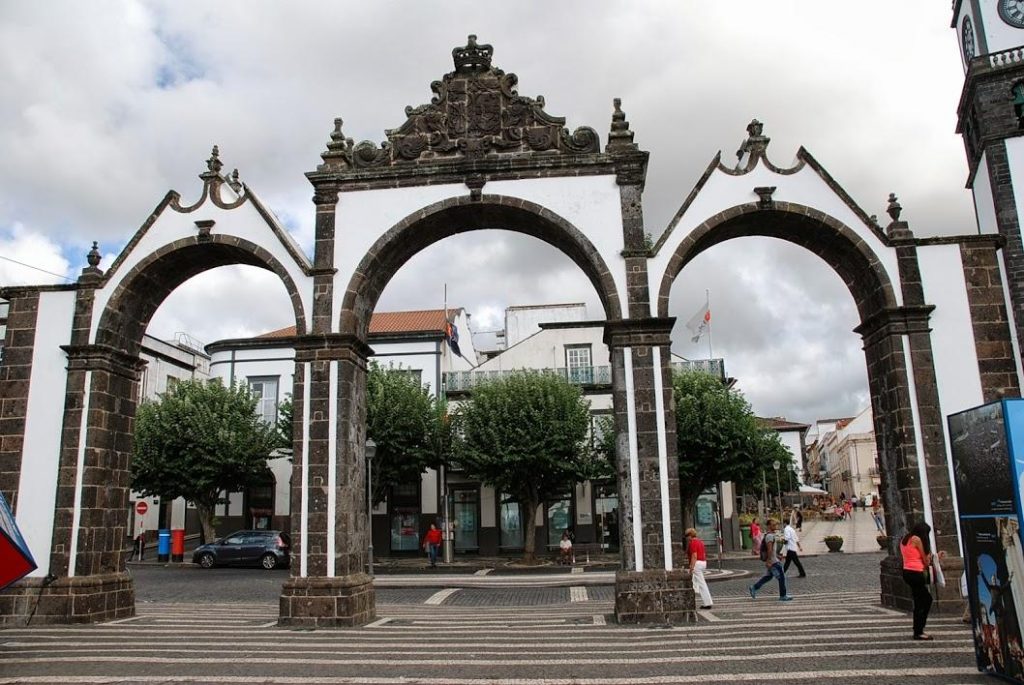
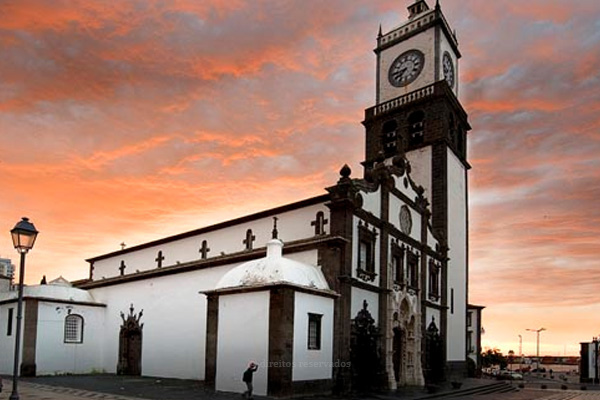
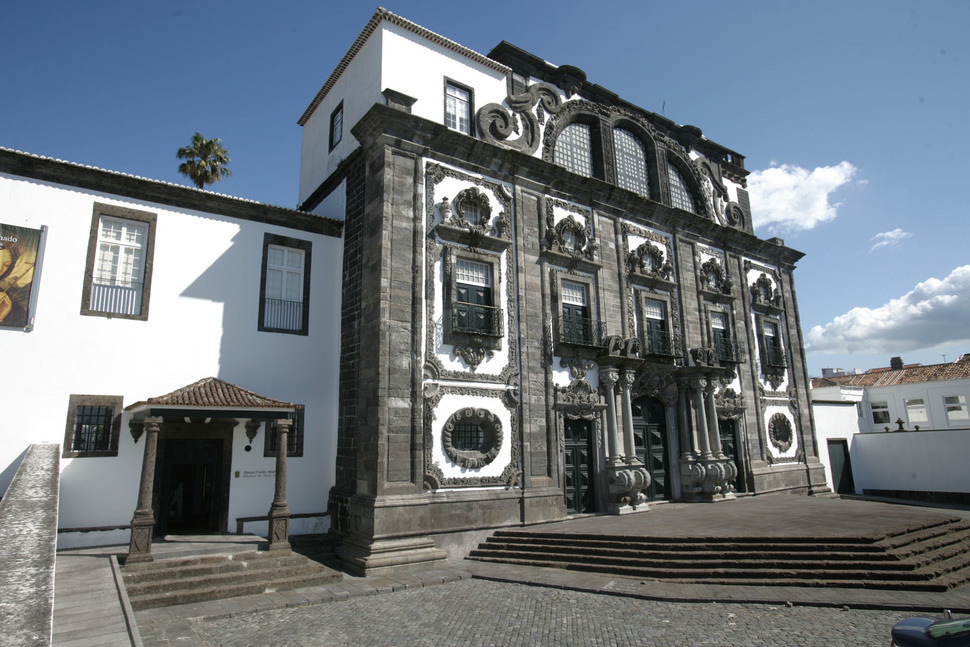
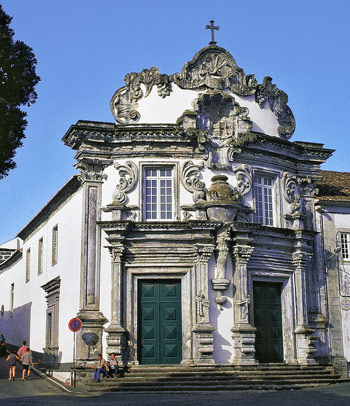
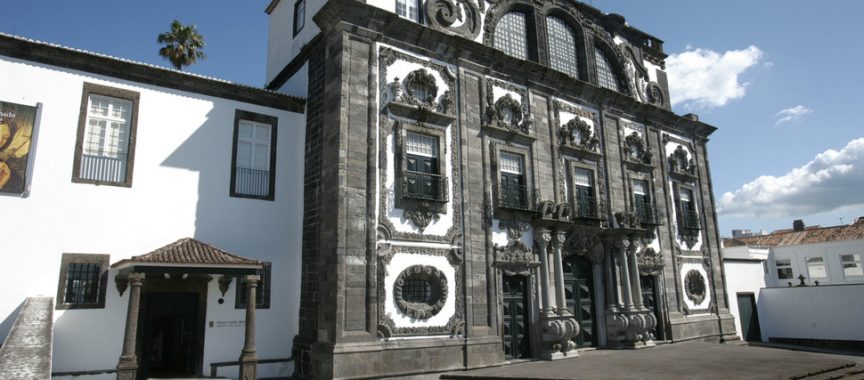
Much of the heritage value of the island of São Miguel is due to its architecture, whether civil, religious, or military, which is found throughout the island. Ponta Delgada, the city well known for its three basalt arches – Portas da Cidade – that welcome those who enter the city by the sea, this being considered the ex-libris of the city, it is the municipality that is distinguished by its quantity churches, chapels among other buildings that constitute its rich architectural heritage. Among them, the baroque Igreja Matriz de São Sebastião stands out, with some traces of Manueline art, this religious temple was built, according to Gaspar Frutuoso in his work, Saudades da Terra, after a great plague that devastated the city. The Church of Todos os Santos, also known as the Igreja do Colégio is another example of Baroque architecture in Ponta Delgada, having been a building built in the late 16th century, which underwent a reconstruction a century later, leaving its image as we know it today.
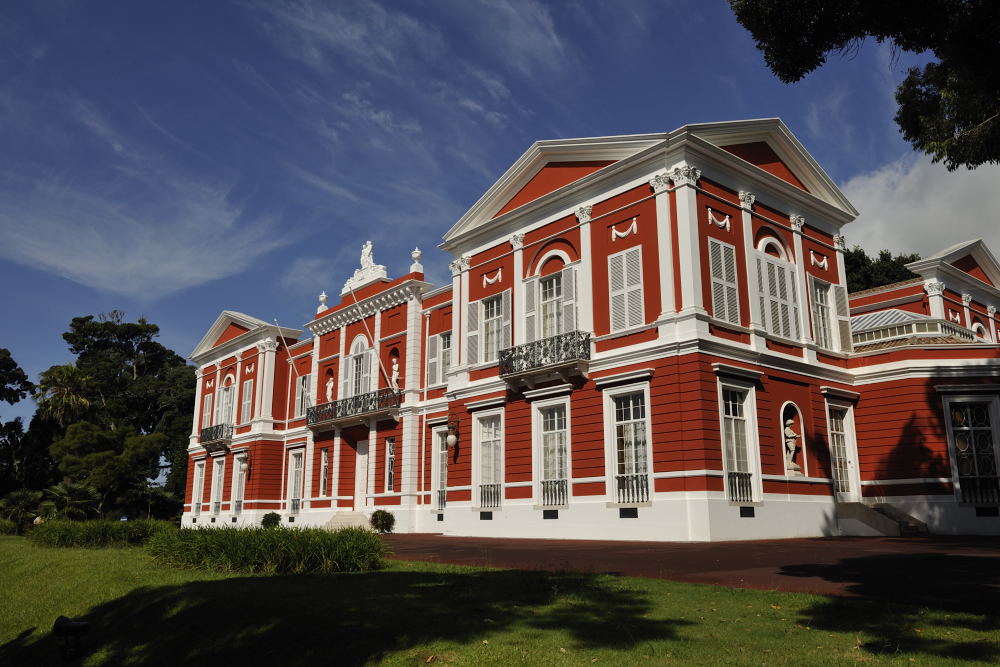
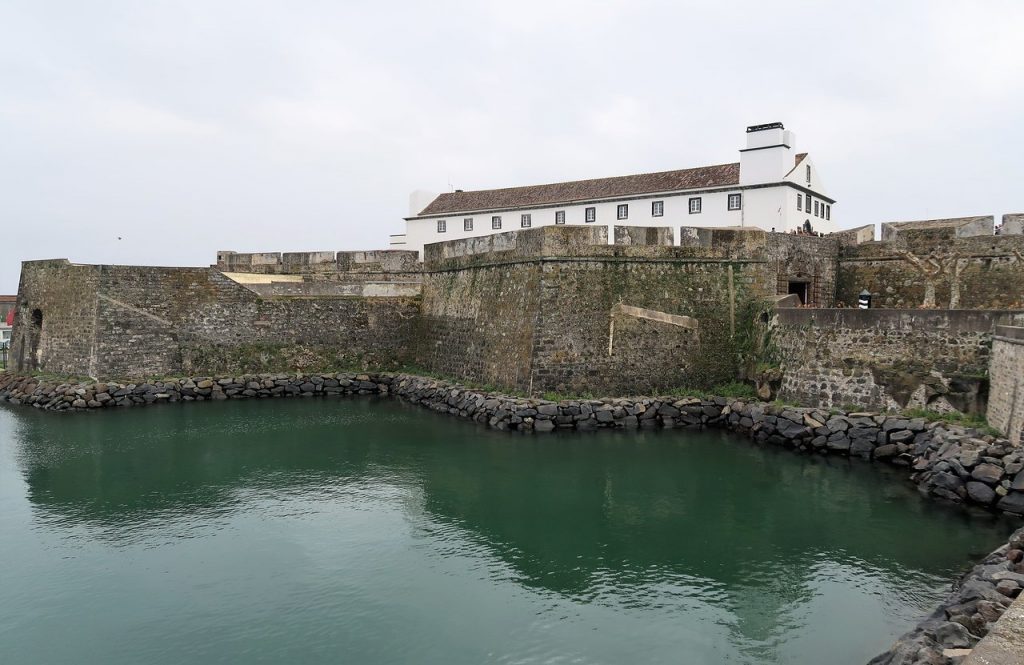
Still in Ponta Delgada, we cannot fail to mention the neoclassical presence in the Santana Palace, built in the 19th century, by the morgue José Jácome Correia, who currently functions as the seat of the Regional Government. About military architecture, in this city is the Fort of São Brás, a great example of fortification and defense of the city against maritime attacks, namely from privateers and pirates, having been built in the 16th century.
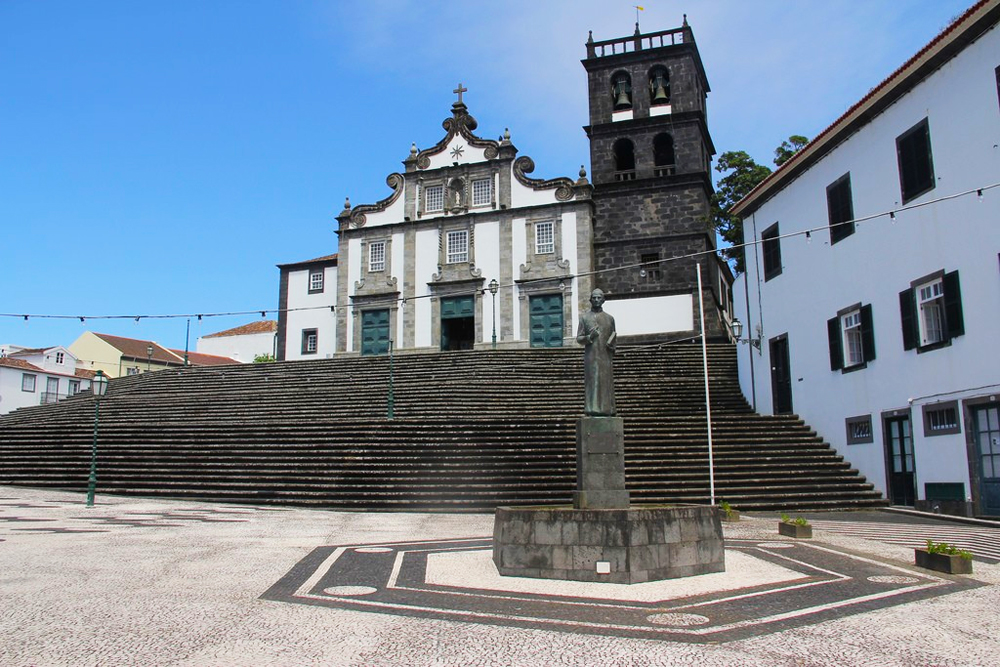
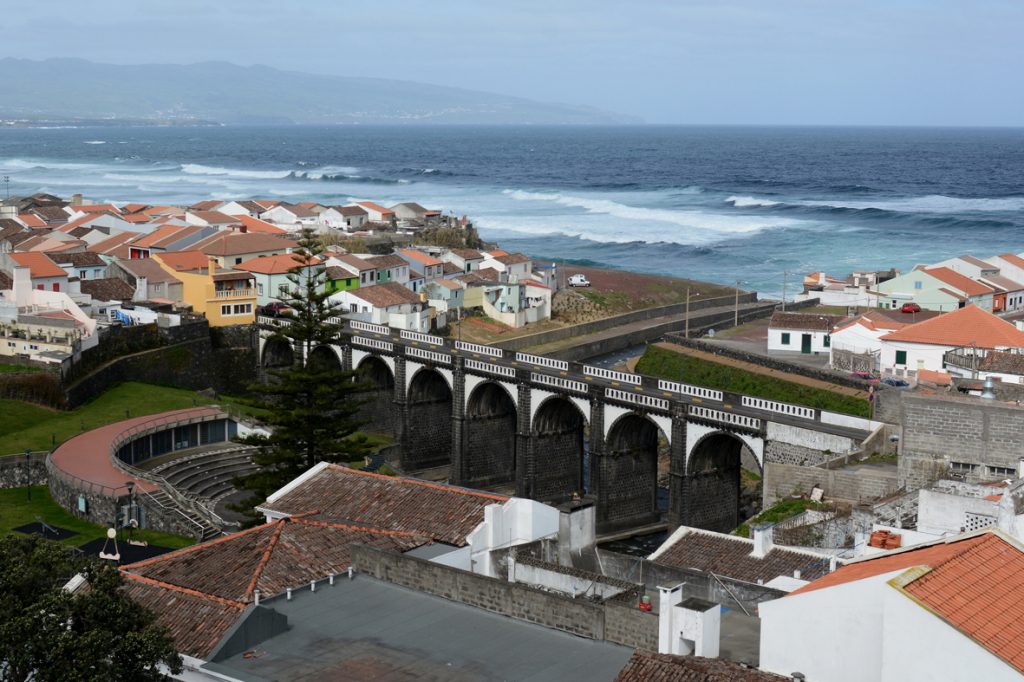
In the municipality of Ribeira Grande, special emphasis is given to white masonry and stonework, especially basalt, which together give a unique and contrasting image to the buildings here, as in the Church of Nossa Senhora da Estrela, composed by a huge staircase and in the Ponte dos Oito de Arcos that are the image of recognition of Ribeira Grande. However, in this city on the north coast, we can distinguish the Church of Senhor dos Passos or Espírito Santo, which, built in the 18th century, is the only example in the Azores with a convex outline to the outside, with its counter-curved fronton and it is decorated with elements from the Atlantic Baroque, which is based on basalt.
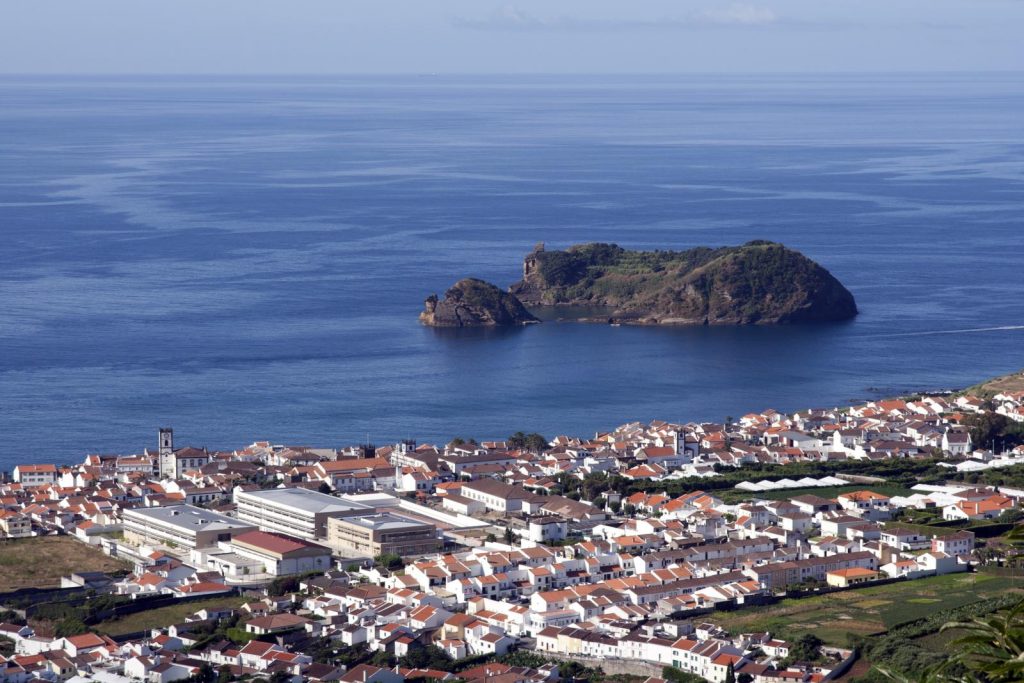
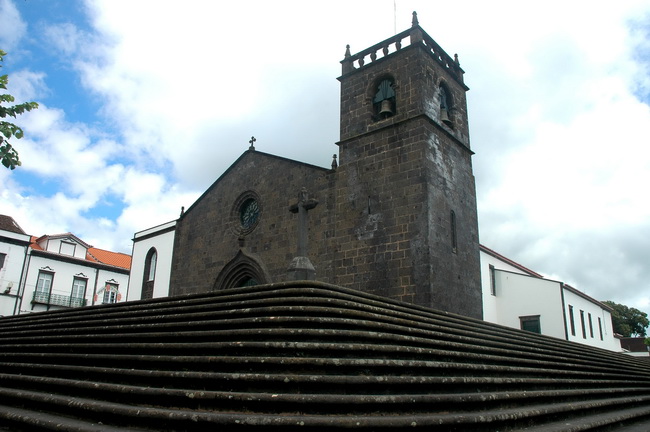
In Vila Franca do Campo, the former capital of the island, there is still a religious building dating from the time of settlement, which is the Church of São Miguel Arcanjo, which differs from all others by its façade solely of basalt, thus having, Romanesque and Gothic influences. Despite being buried under the earthquake of 1522, this Church was rebuilt keeping its architectural style.
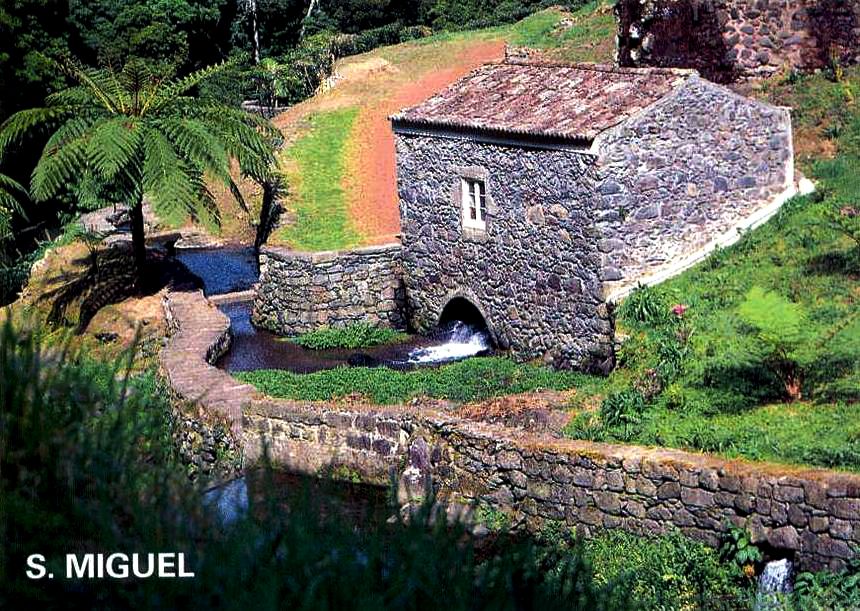
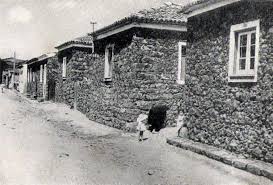
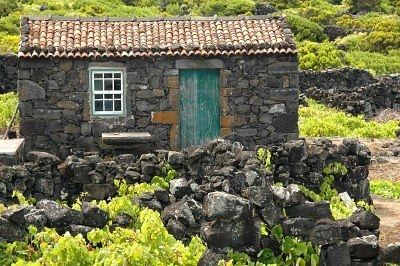
As for civil architecture, in addition to the sumptuous manor houses that exist throughout the island, the rustic houses and other buildings that characterize rural life on the island are also considered important architectural elements that cannot be left out of this panoply. In this case, we highlight the water mills present in many places on the island and the stone houses.
In addition to architecture, another sector that is part of the heritage value of São Miguel is handicrafts that keep alive the ancestral traditions of an island people, thanks to pottery, ceramics and decorative elements made of fish scales, such as flowers.
Last modified: 11 de August, 2021