


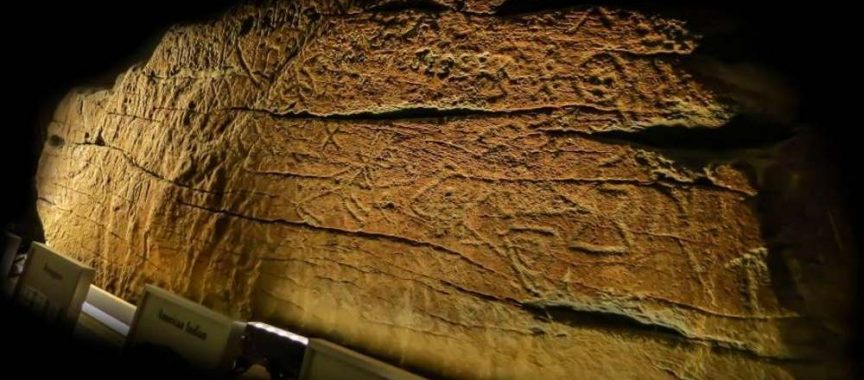
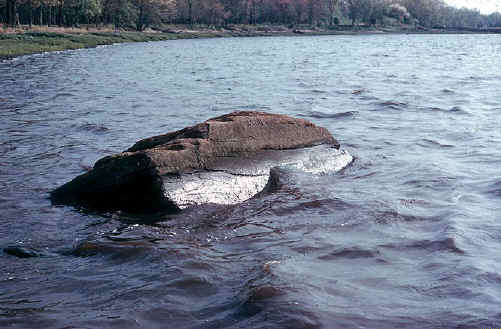
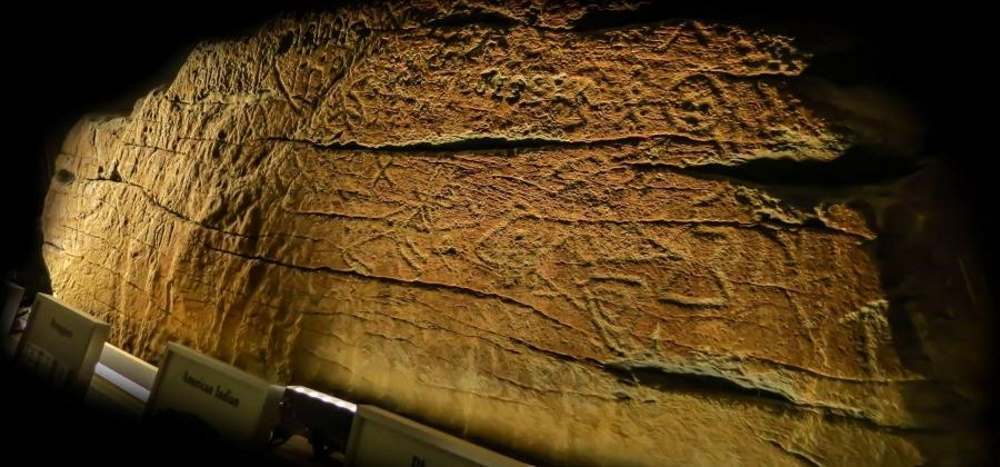
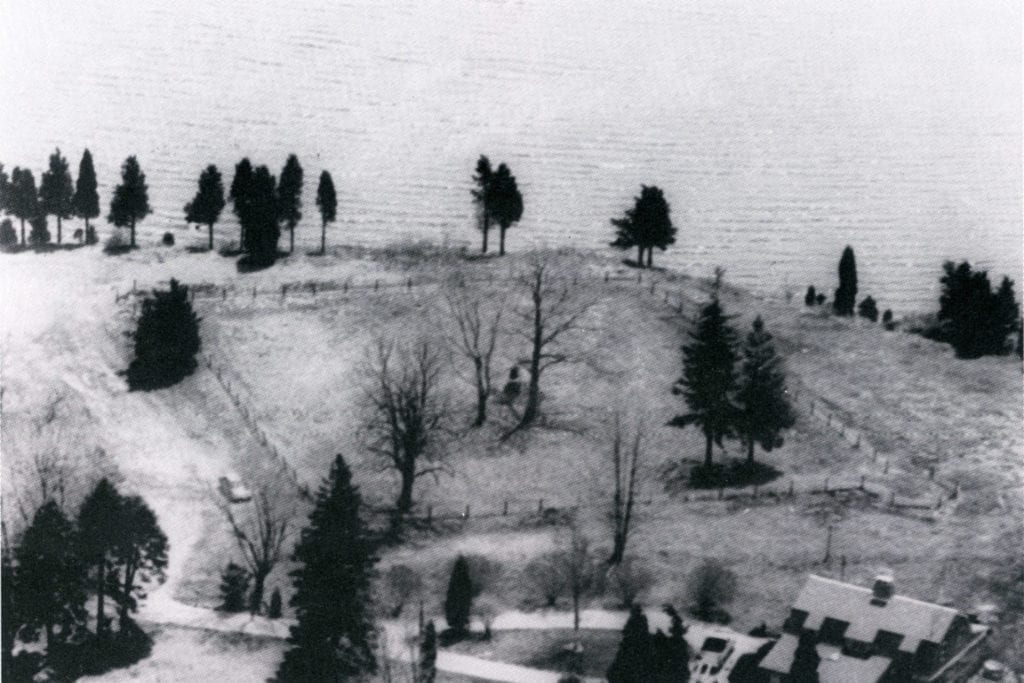
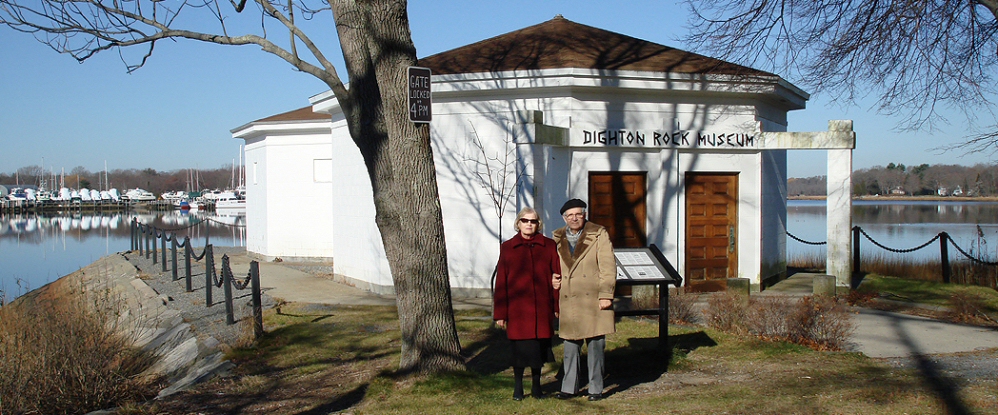
Dighton’s stone consists of a stone that has inscriptions and due to these inscriptions several theories have already emerged about who had made the same ones. It was originally located south of Massachusetts, on the left bank of the Taunton River, in Berkley 9 miles from Fall River. Today it is preserved in its museum.
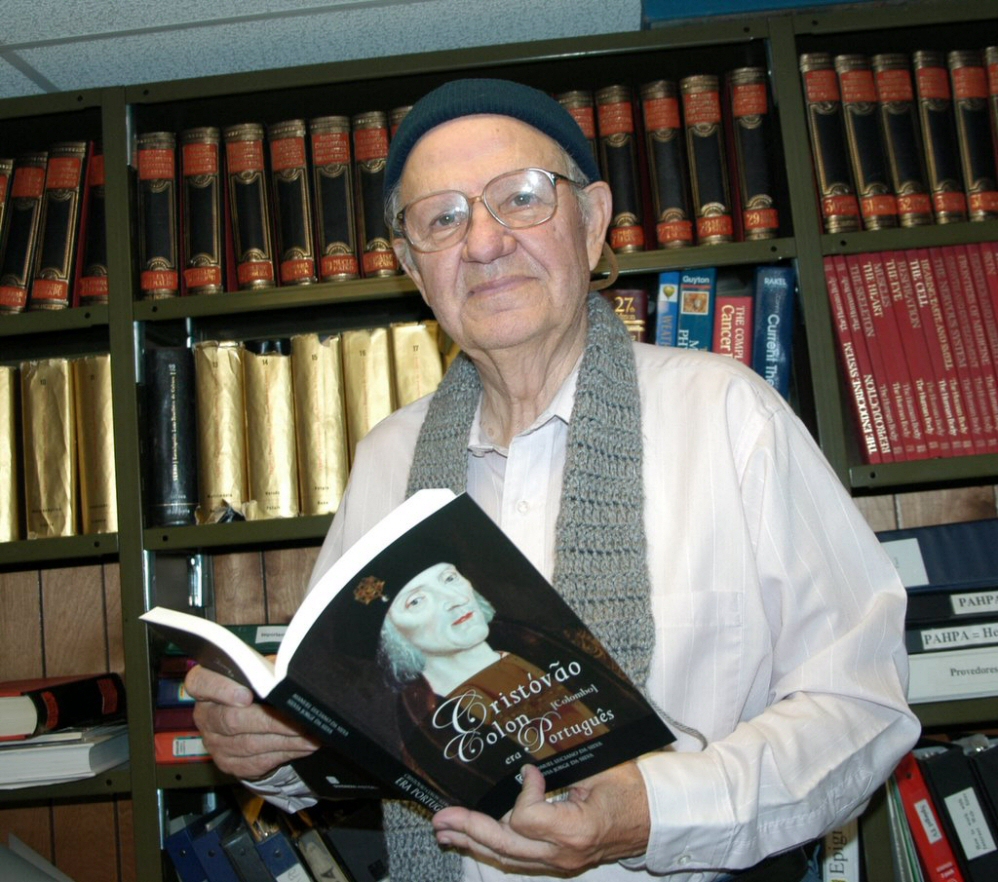
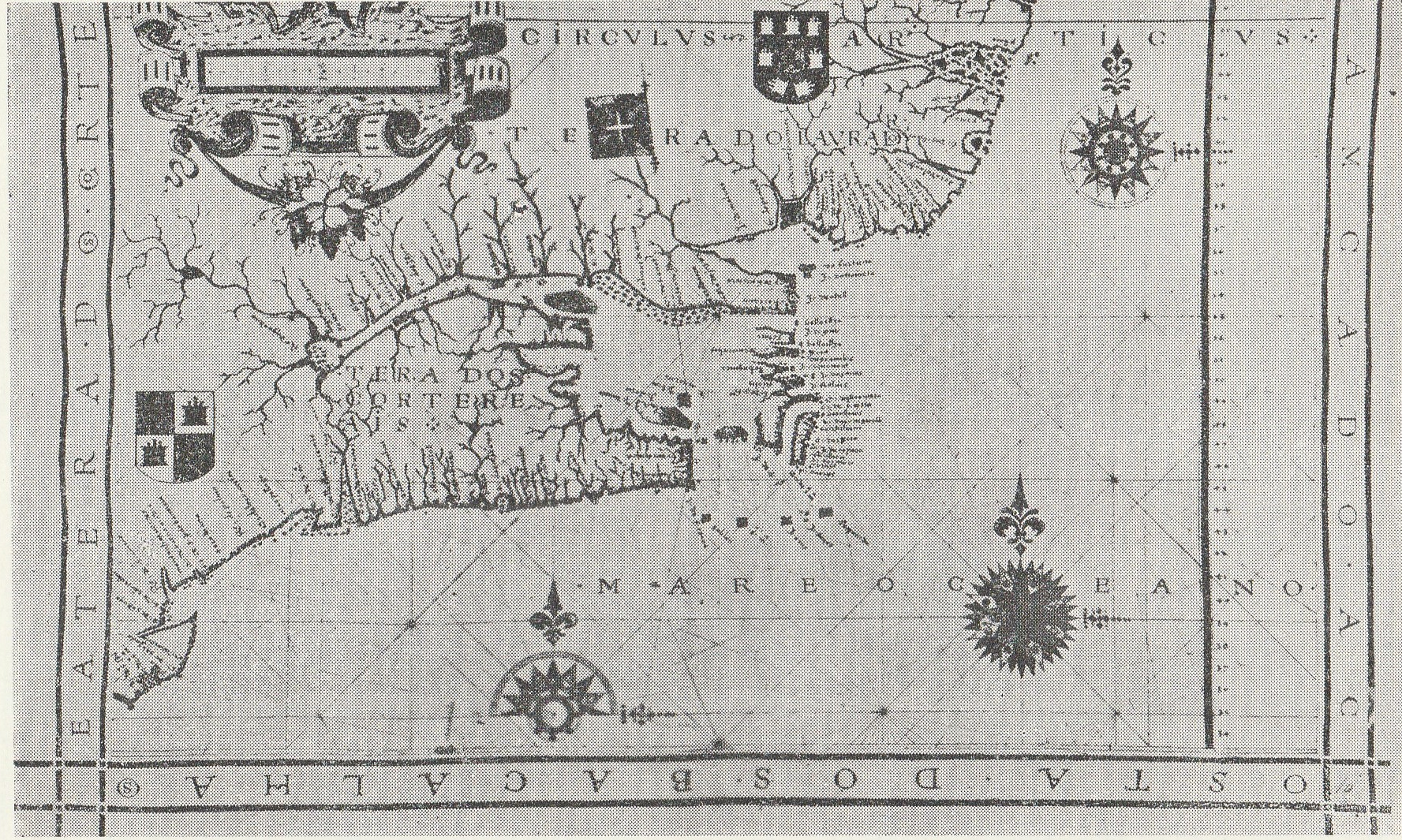
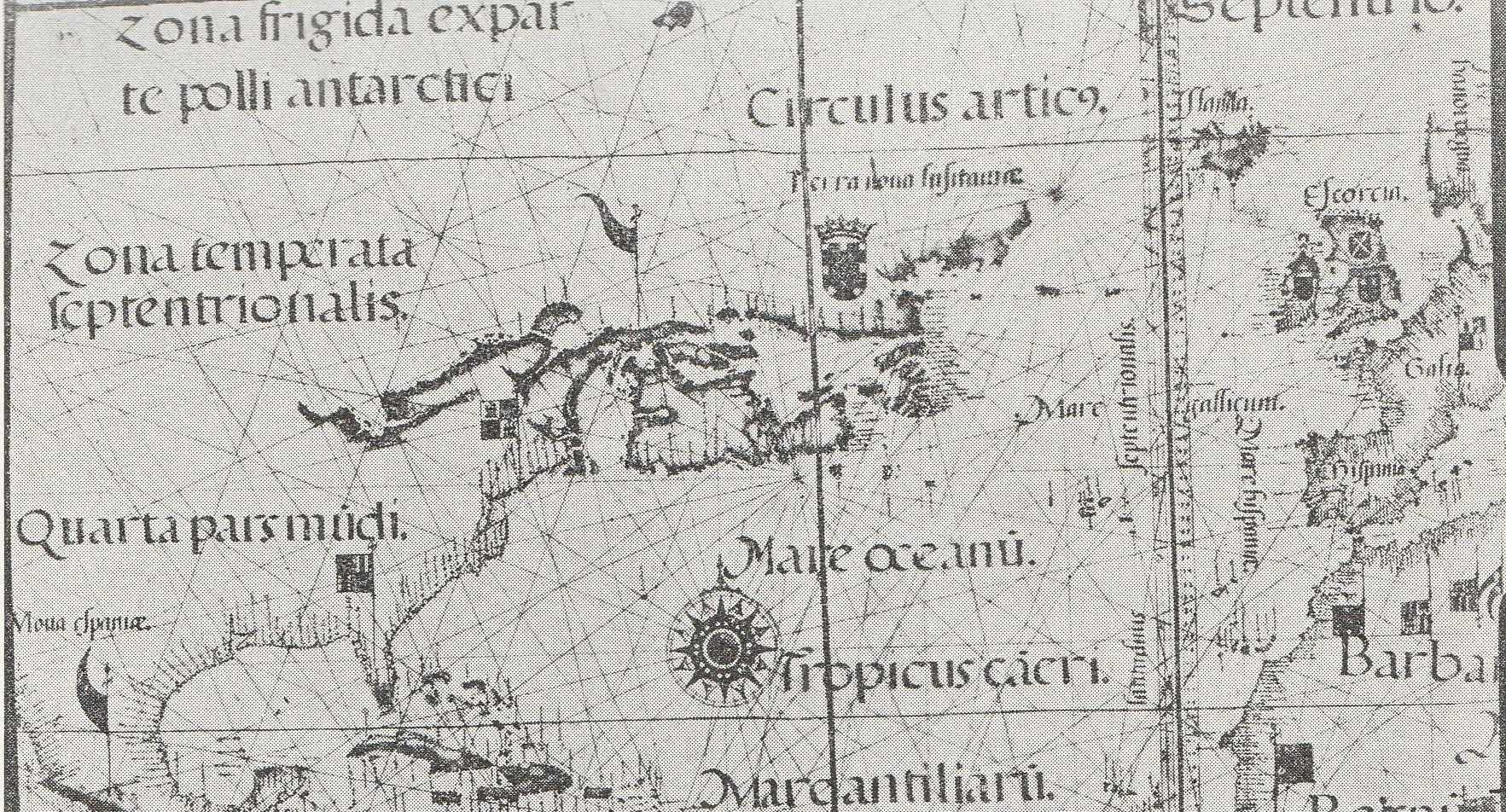
Manuel Luciano da Silva studied the subject a lot and convincingly states that the stone has Portuguese inscriptions as well as goes further stating that there was Portuguese colonization in the states of Massachusetts and Rhode Island. It speaks of João Vaz Corte-Real, who was in the Land of the Cod (Canada) and returned from there in 1472 to the island of Terceira. His son, Gaspar Corte-Real also traveled to North America going to Greenland on the first trip (1501), and from the second trip he never returned, having his brother Miguel Corte-Real asked king D. Manuel I for leave to help him to find his brother, but he also got lost.
The Dighton stone has some inscriptions and Manuel Luciano da Silva attributes the authorship of these inscriptions to the Portuguese, saying that it is possible to see on the stone the inscriptions of «Migvel CorteReal» and the date «1511». For this author this is a great proof of the Portuguese presence in what would become the state of Massachusetts in the USA. Bearing this in mind, he still claims that the Tower of Newport and Fort Ninigret in Charlestown, Rhode Island are of Portuguese authorship, as well as that the Portuguese left offspring when miscegenating with the Indians.
The scientific opinion on this subject is not unanimous and taking into account everything that has already been said, we can conclude:
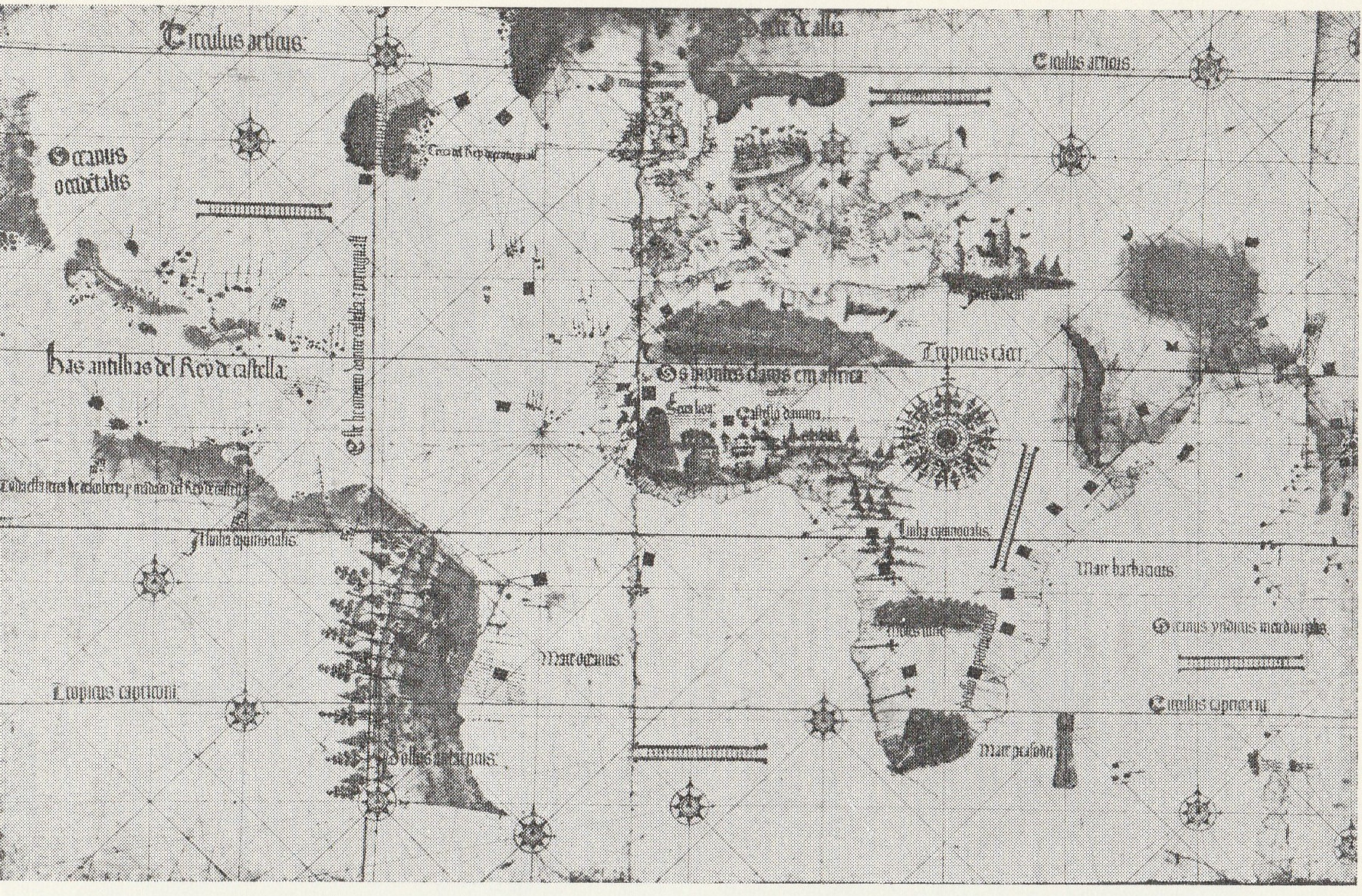
The Portuguese launched a search for a passage through the Northwest on the way to Cipango and Cathay and these attempts were made from the Azores due to their insularity and because they are in the middle of the Atlantic;
Gaspar Corte-Real arrived in Terra Nova in 1501 after John Cabbot saw it in 1497, and this is known because he sent one or two ships to give the news to the Portuguese king and he was never heard of again.
Miguel Corte-Real, after obtaining the authorization of D. Manuel I, left in search of his brother from Lisbon in April 1502 and he was never heard from again.
For Portuguese and Azorean emigrants in the USA, the Dighton stone is important because it increases the pride of the country and the achievements of its navigators in the past and legitimizes the Portuguese and Azorean presence in the United States. Nowadays the Museum of the Azorean Emigration has a replica of the stone, as well as other places in Portugal.
Sources of information: SILVA, Manuel Luciano da, Os Pioneiros Portugueses e a Pedra de Dighton, Porto, Brasília Editora, LDA, setembro de 1974.
ALMEIDA, Onésimo Teotónio, «Irmãos Côrte-Real – Os Mitos e os Factos e a sua Importância Identitária» in GOMES, Francisco António Nunes Pimentel; PEREIRA, Jorge Alberto da Costa; BARRETO, Margarida Maria Amorim, O Faial e a Periferia Açoriana nos Séculos XV a XX: Actas do III Colóquio, Horta, Núcleo Cultural da Horta.
Last modified: 16 de December, 2021


