Last modified: 18 de February, 2022
18 de February, 2022
The island of Graciosa is distinguished by the predominance of the colour white in its landscape, which is due not only to the natural aspect of the island that presents a slight dryness making it whitish, but also because of its houses that are essentially white in colour.
From a general point of view, Graciosa possesses practically the same characteristics as the other islands in terms of its built heritage. On this island, amongst the magnificent pastures, it is possible to find the well-known windmills that, in a certain way, are the brand image of the heritage of the White Island. These mills, whose architecture is of the Dutch type, many of them have been recovered and included in the tourist sector as a way of taking advantage of Graciosa’s heritage.
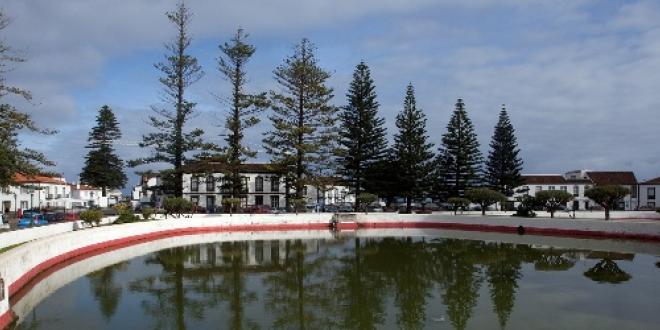
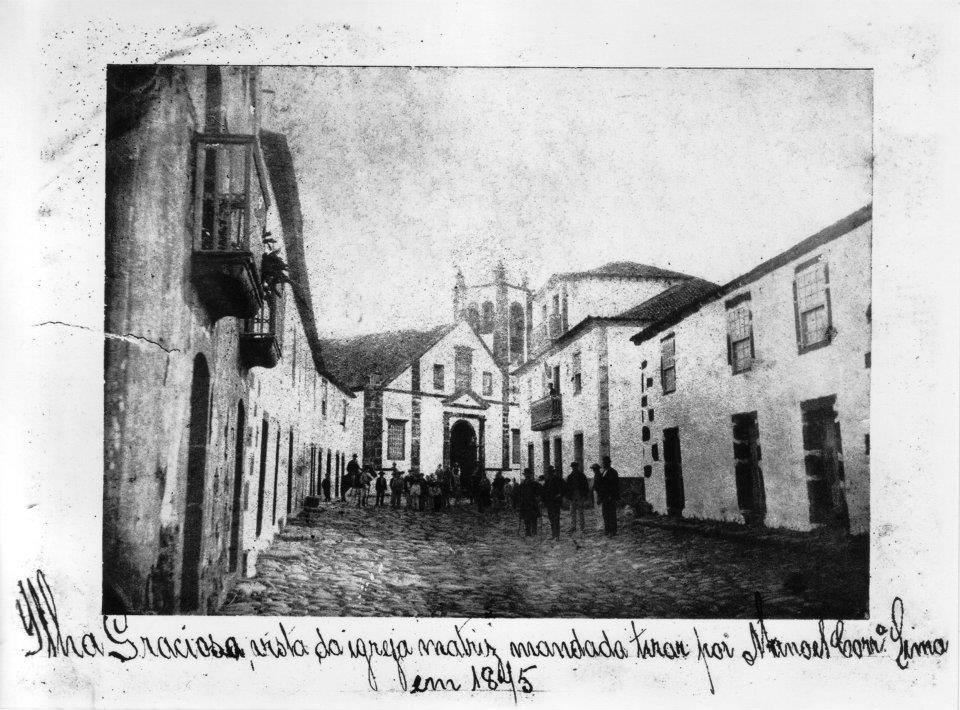
The municipality of Santa Cruz da Graciosa is characterized, at urbanistic level, by its typical houses and narrow cobbled streets that lead to the central square of the municipality, adorned with its bandstand.
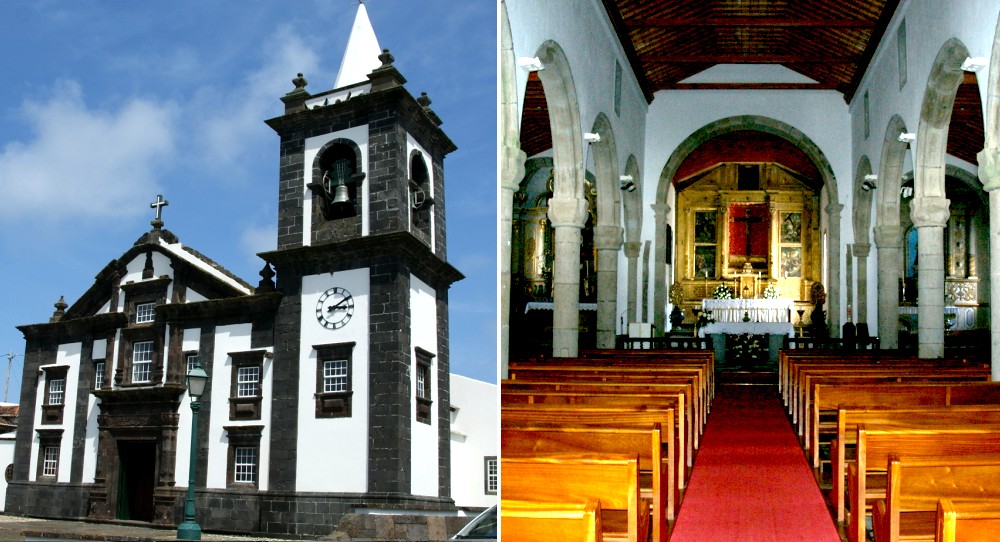
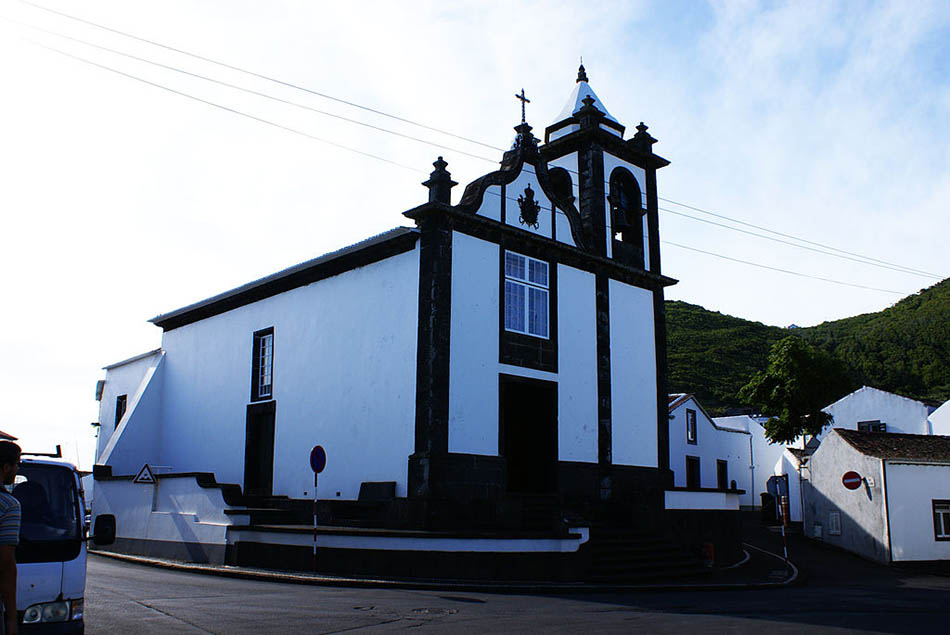
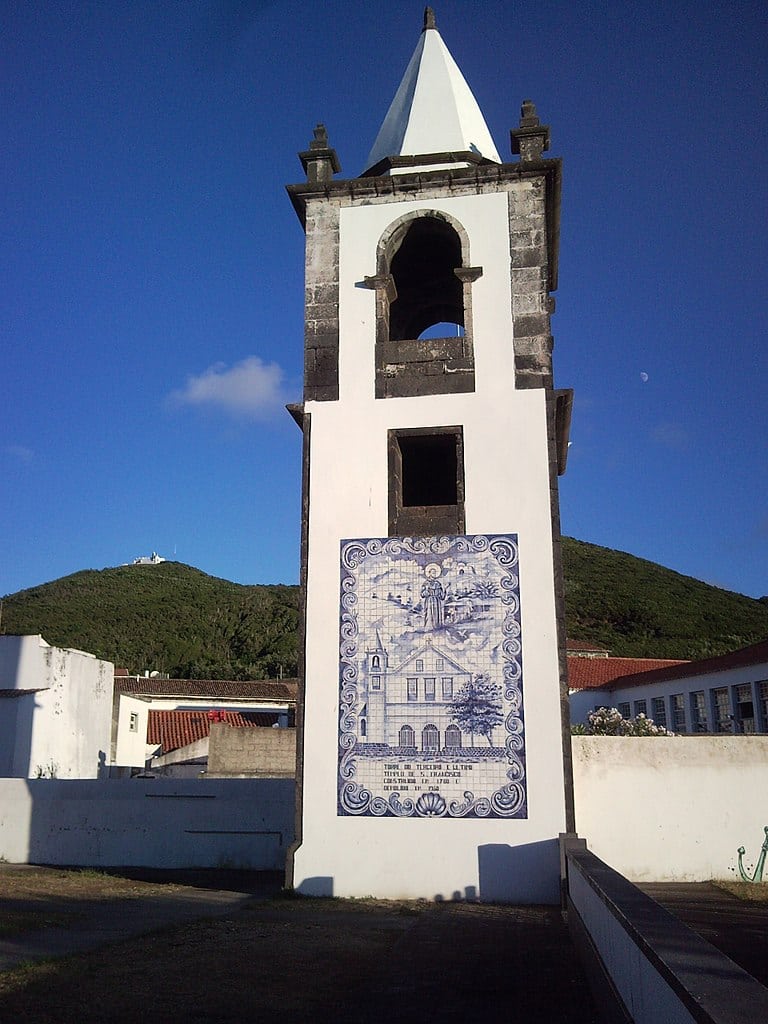
The built heritage on this island is summarized by the religious architecture, represented by the Mother Church of the village of Santa Cruz, from the 16th century, which had some traces of the baroque acquired later, and by the various chapels and other churches scattered around the island. In this context of religious architecture, the emblematic tower of the Church of Nossa Senhora dos Anjos stands out, which belonging to the old Church of Nossa Senhora dos Anjos which was part of the convent of São Francisco, remains intact, even after the church was demolished by order of liberalism in 1834.
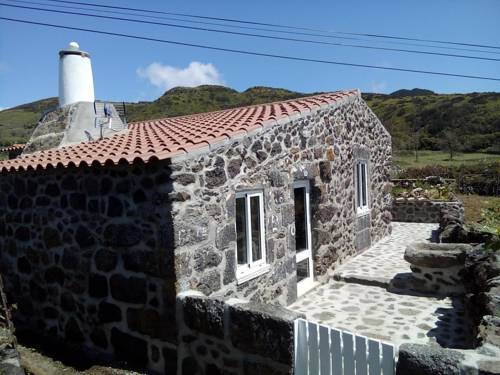
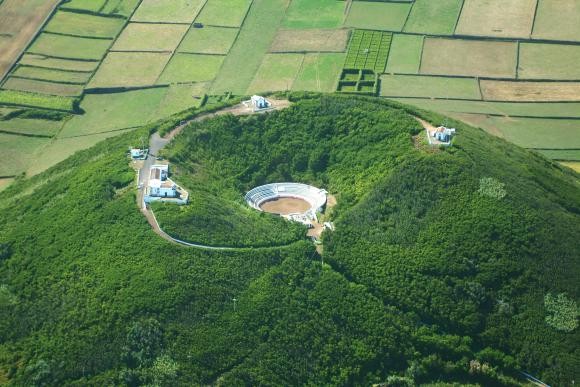
It is also characterized by civil architecture, where rural houses inserted in the image of natural beauty of the island predominate. However, it is in Graciosa that there is a bullring of unique typology, which is located inside a volcanic crater, reflecting a unique panorama that reconciles the work of man with nature.
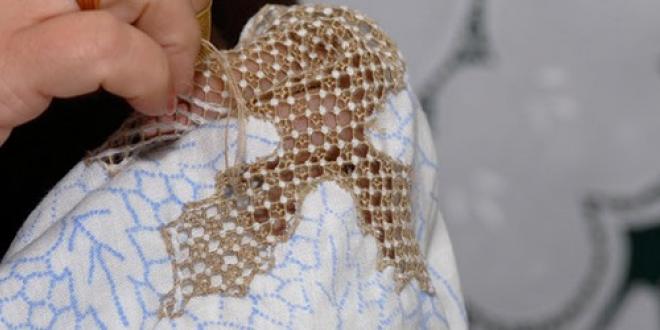
Another very characteristic element of Graciosa’s heritage is due to the handcrafted linen embroidery, which keeps this ancient art alive in the archipelago.
Last modified: 18 de February, 2022

Subscribe to our newsletter and stay up to date with all our news.