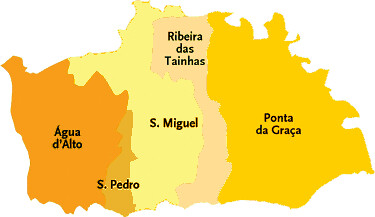
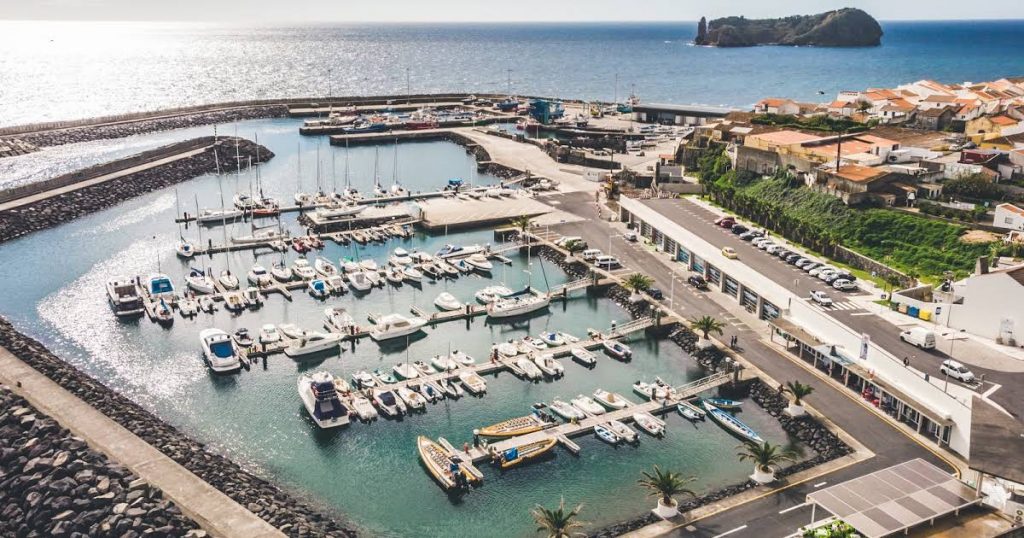
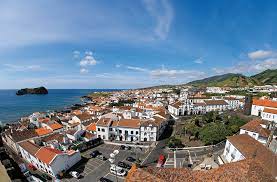
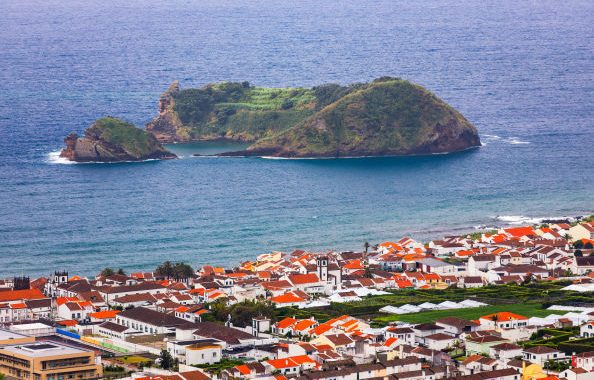
Vila Franca do Campo is a Portuguese village on the island of São Miguel and the seat of the municipality of Vila Franca do Campo with about 11 229 inhabitants (2011 census) and subdivided into 6 parishes: Água d’Alto, São Pedro, São Miguel, Ribeira Seca, Ribeira das Tainhas and Ponta Garça. The municipality of Vila Franca do Campo is located on the south coast of the island of São Miguel, having in front of it the beautiful islet of Vila Franca, which is, since 1993, a natural reserve, constituting an important bathing area, much frequented in the summer.
In the early years of settlement, Vila Franca do Campo was the “first capital of the island of São Miguel”, since it was an important and developed settlement, which gathered the main official institutions and where the donatory captain, Gonçalo Vaz Botelho lived. It was elevated to the seat of a municipality in 1472. However, in 1522, a violent earthquake destroyed most of the town – this episode became known as the “subversion of Vila Franca” – which had to undergo a reconstruction process. During this event, it is Ponta Delgada that becomes regionally important, possessing the official institutions.
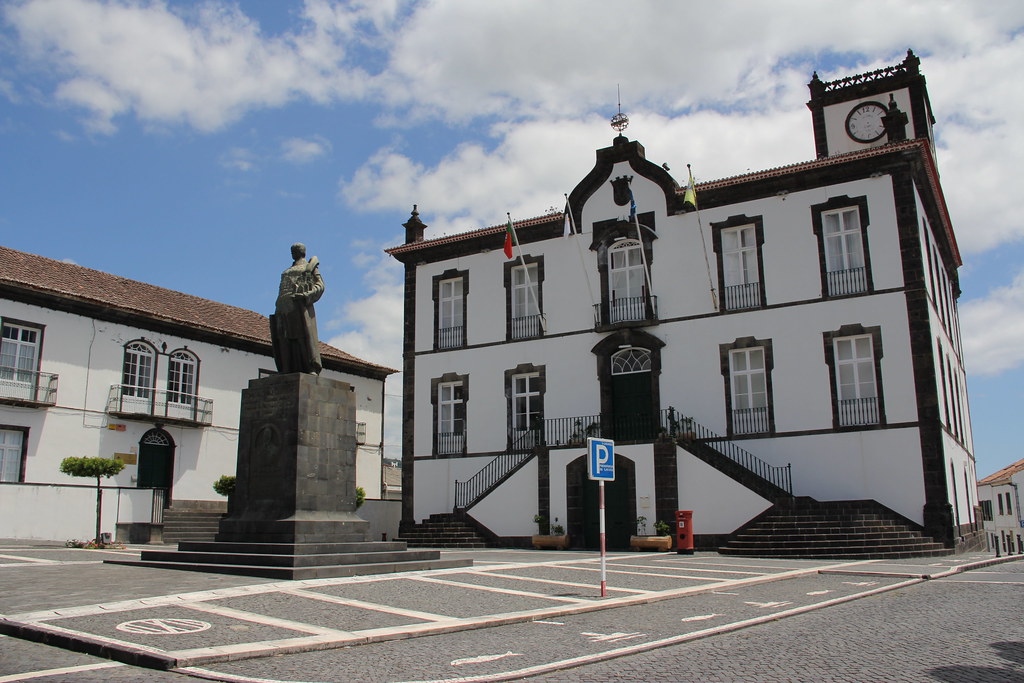
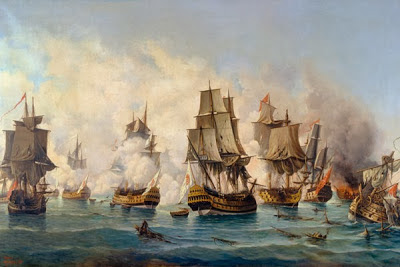
Still in the historical context, Vila Franca do Campo was the scene of the Naval Battle of Vila Franca do Campo, in 1582, fought by a Luso-French force, commanded by Filippo Strozzi and a Spanish armada, commanded by D. Álvaro de Bazán, Marquez de Santa Cruz, which took place in the context of the civil war that Portugal would face after the acclamation of D. António Prior do Crato to Filipe II of Spain in possession of the Portuguese throne. In this battle, the Spanish won, which forced D. António to take refuge on the island of Terceira, followed by an enormous massacre in Vila Franca do Campo, the largest recorded in the Azores. Learn more about the event here: https://www.cmvfc.pt/conhecer/pracas-e-jardins/
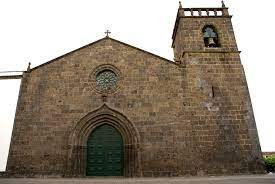
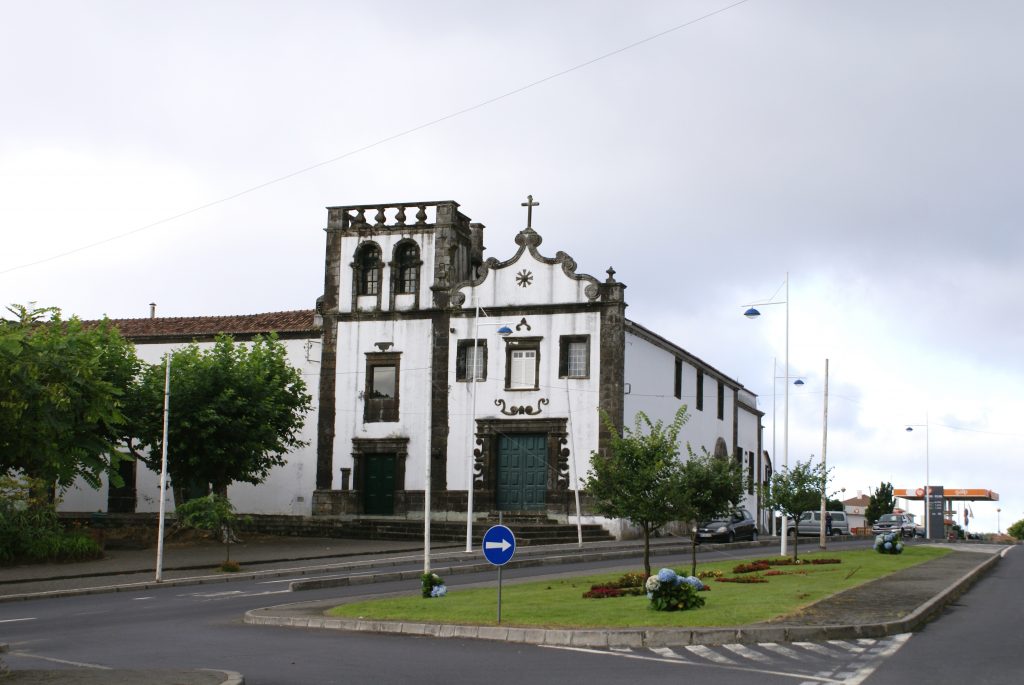
In Vila Franca do Campo, there is still a religious building dating from the time of settlement, which is the Church of São Miguel Arcanjo – Matriz da Vila Franca, which differs from all the others by its facade made only of basalt, thus possessing Romanesque and Gothic influences. Despite being buried by the earthquake of 1522, this church was rebuilt maintaining its architectural style. In the tower is the oldest bell on the island, given by King João III in 1554. The Santo André Convent was founded in 1533 and was the first female monastery on the island. At the entrance to the village is the 15th century Convent of São Francisco, once the second male convent of Vila Franca Campo, the first having been destroyed by the earthquake of 1522.
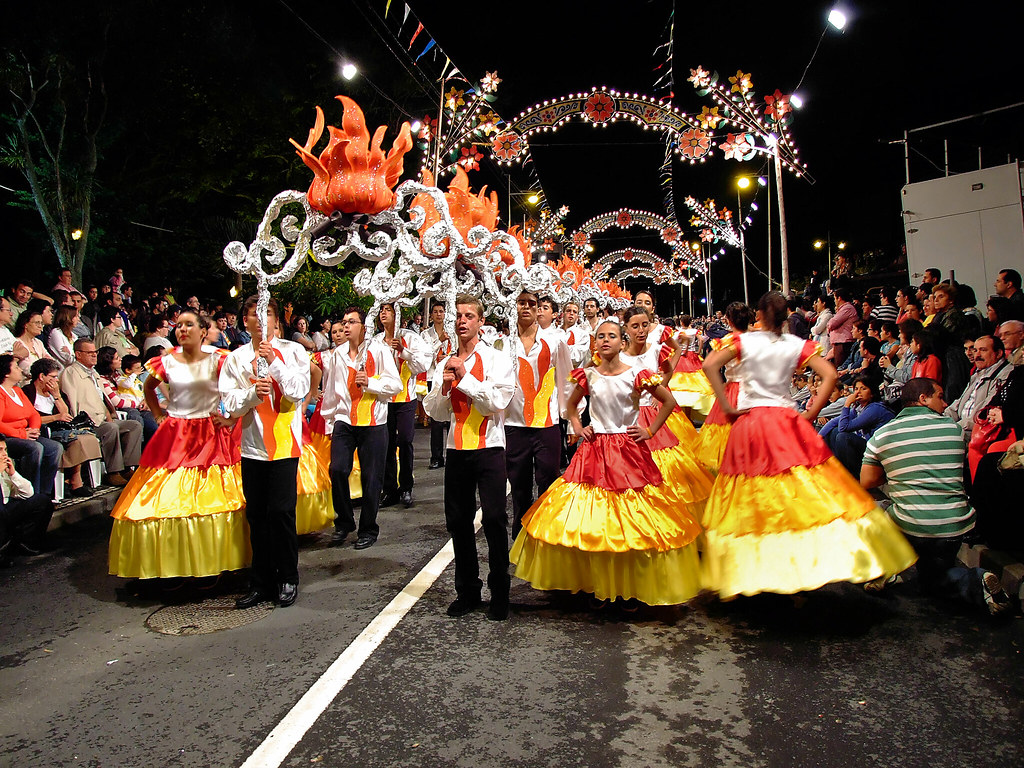
In terms of festivities, Vila Franca do Campo is popularly known for São João Vila, with the Marches of São João taking place since 1968. These commemorations mark the Municipal Holiday of Vila Franca do Campo – June 24th – which attract hundreds of people to Vila Franca to watch the marches and participate in the traditions, festivities and music shows organised by the municipality.
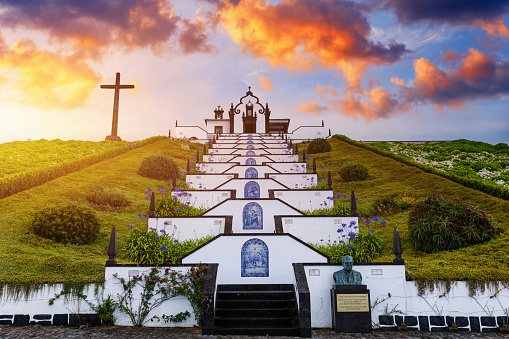
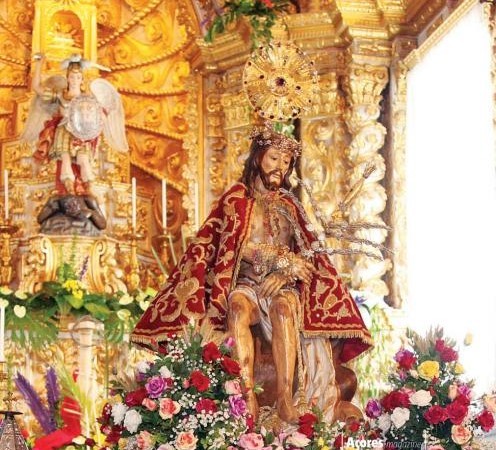
The religious festivals, as it happens all over the island, also have an important meaning in Vila Franca, where processions, masses, and all the profane movement with our typical Azorean festivities take place. In this county, we highlight the festivities in honour of São Miguel Arcanjo, patron saint of Vila Franca, which takes place in May; Senhor Bom Jesus da Pedra festivities and the Holy Spirit festivities.
Last modified: 14 de February, 2022